


Sun Bay Scenic Area
The place where the Sun Divine Bird takes off

SCENIC AREA

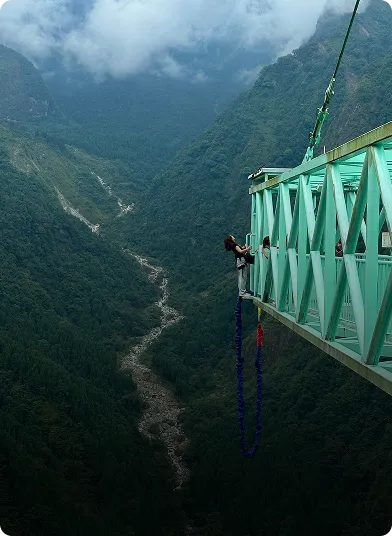
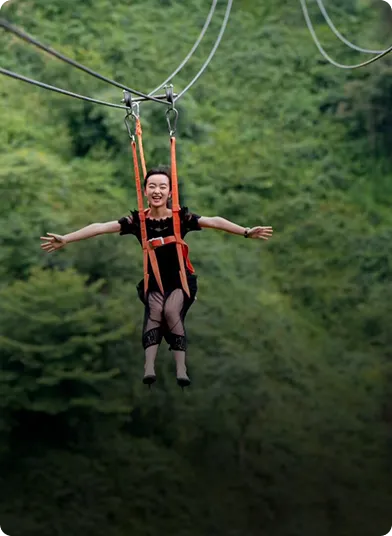
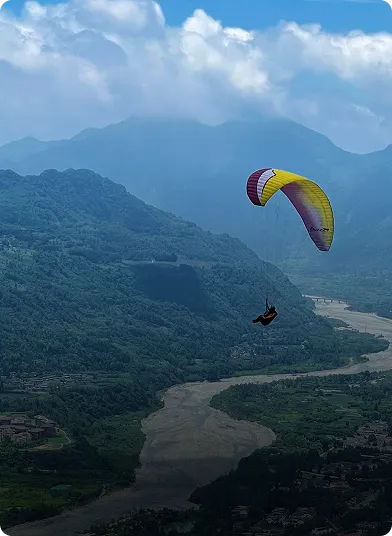
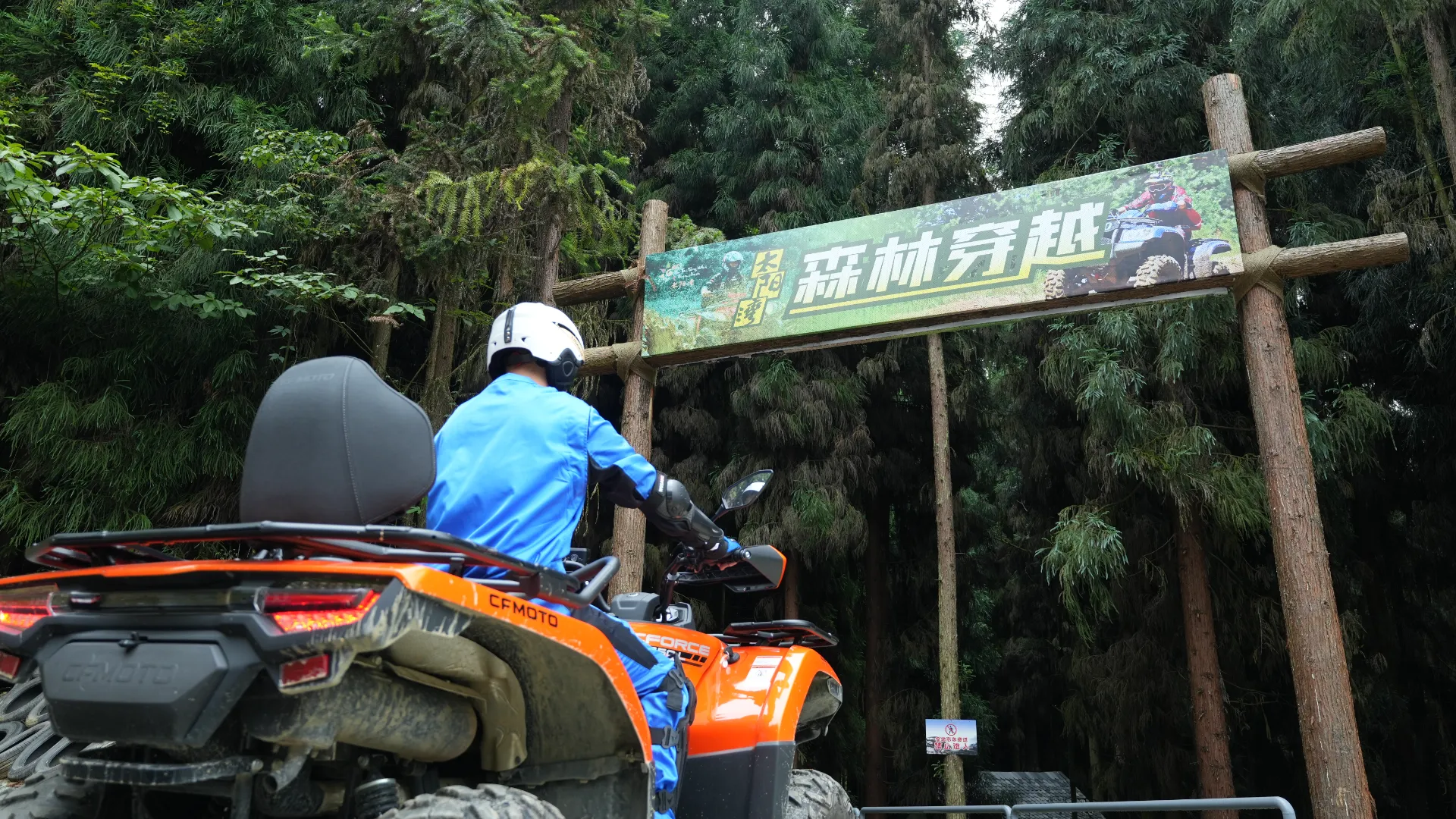
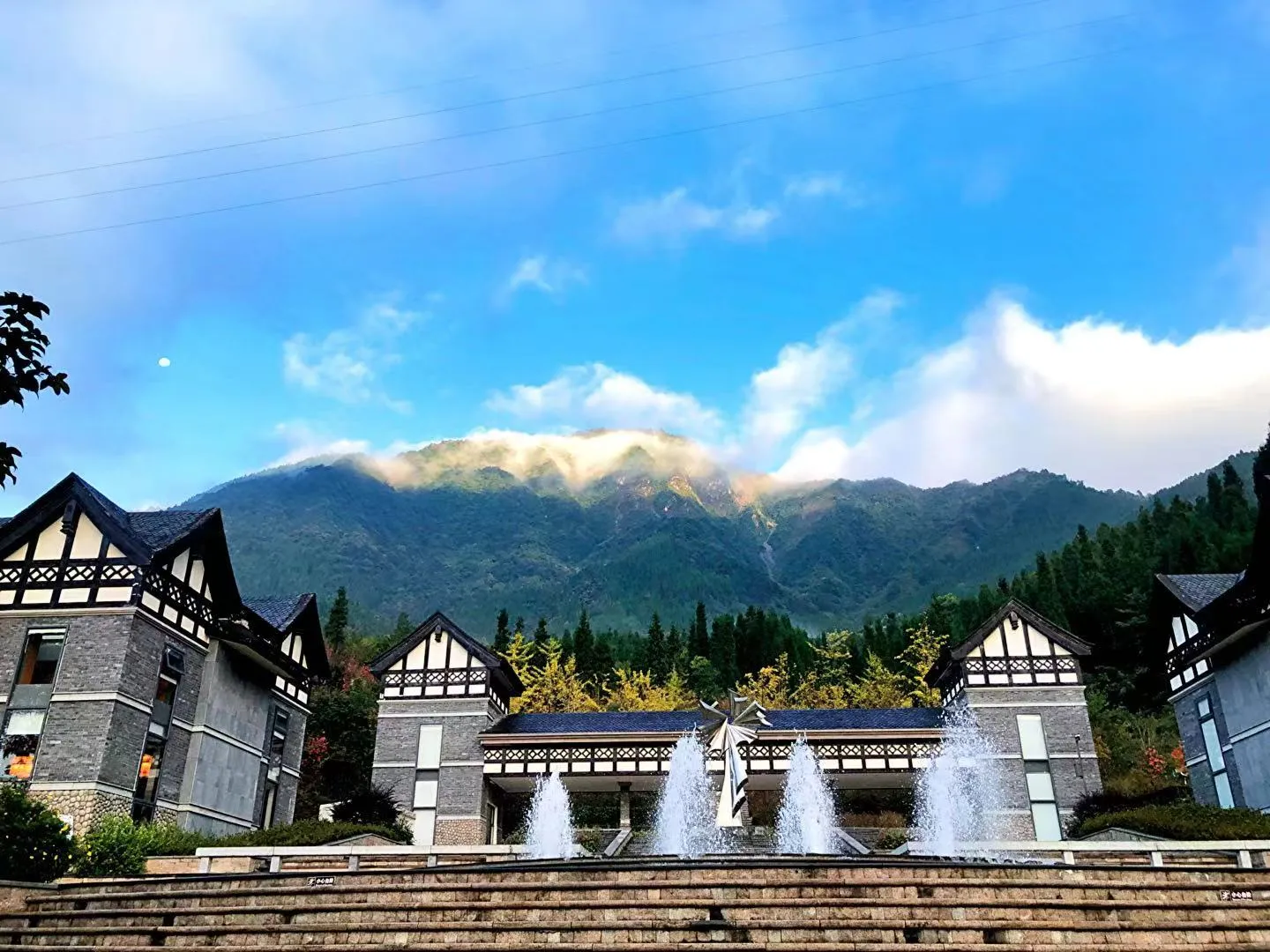
With an altitude ranging from 1,100 meters to 4,200 meters, the Sun Bay is known as a "vertical landscape museum." The scenic area boasts well-preserved vegetation, abundant negative oxygen ions, and rich biodiversity. It is divided into three sections: the low-altitude zone, the mid-altitude zone, and the high-altitude zone. Currently, over 30 scenic spots have been developed in the low-altitude zone, offering visitors the chance to enjoy high-altitude sea of clouds, observe wild macaques, watch rare bird species, feed sika deer, hike through primitive fir forests, and challenge themselves with activities such as cliff jumping, zip-lining, paragliding, mountain ATV rides, and jungle trekking. It is a composite scenic tourist area that integrates giant panda habitat sightseeing, rare flora and fauna observation, alpine and canyon landscapes, scientific research and outdoor sports, ancient Shu cultural exploration, and Baoshan historical culture.
With its rich facilities and distinctive seasonal experiences, the area can meet the challenging needs of outdoor sports enthusiasts while also providing a relaxed nature exploration trip for families with children. It is recommended to plan your itinerary in advance based on the season and personal interests to fully enjoy the ecological charm of the Longmen Mountain range.
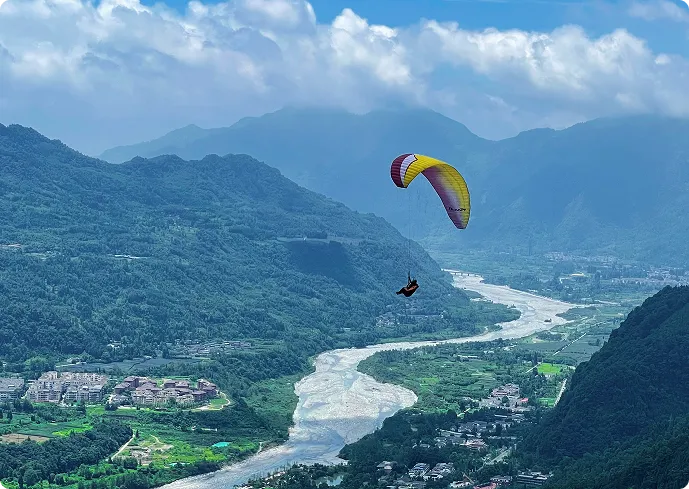
The Sun Bay altitude ranges from 1,100 meters to 4,200 meters, earning it the reputation of a "Vertical Landscape Museum." The scenic area boasts well-preserved vegetation, abundant negative oxygen ions, and rich biodiversity. With its comprehensive facilities and distinct seasonal experiences, it not only meets the challenging needs of outdoor sports enthusiasts but also provides a relaxing nature exploration journey for families with children.
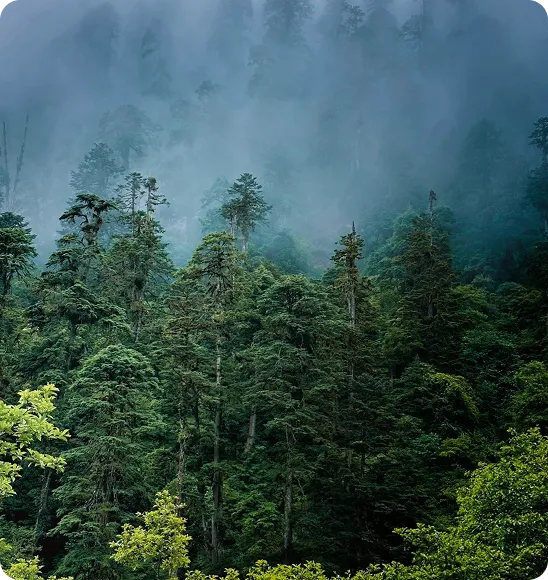
Oxygen Forest
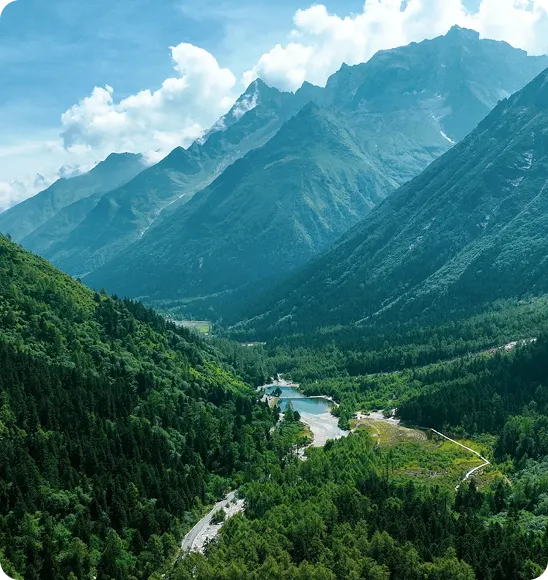
High Mountain Valley
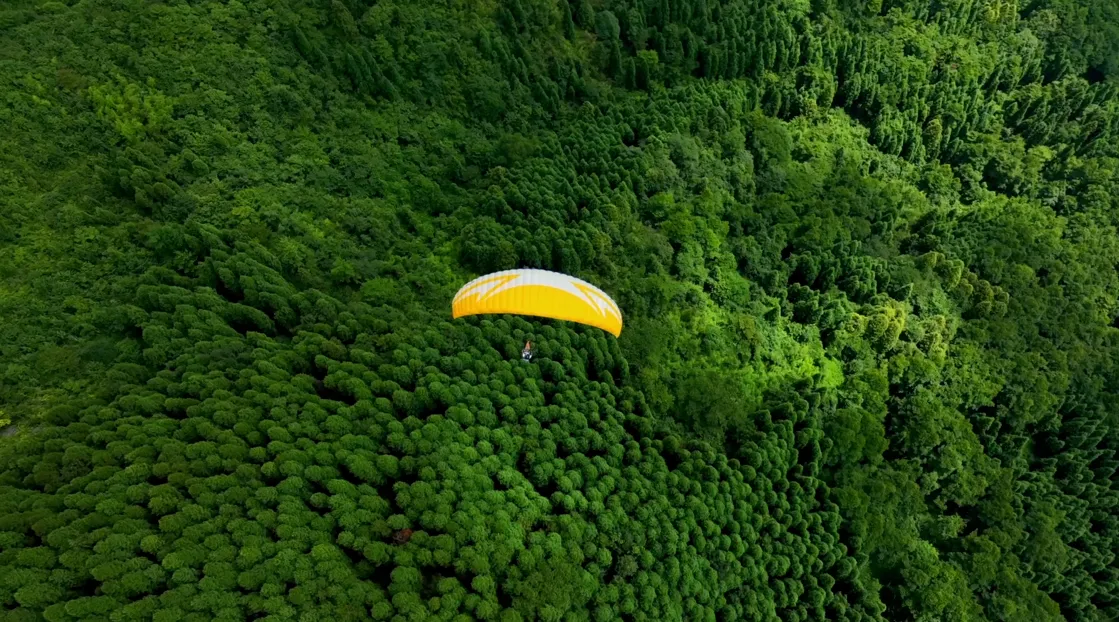
Ten Thousand Acres of Forest Sea
Oxygen Forest
High Mountain Valley
Ten Thousand Acres of Forest Sea
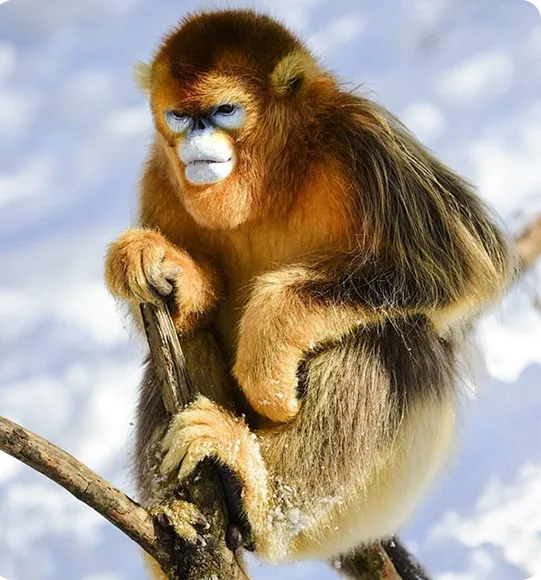
Watch Golden Monkey
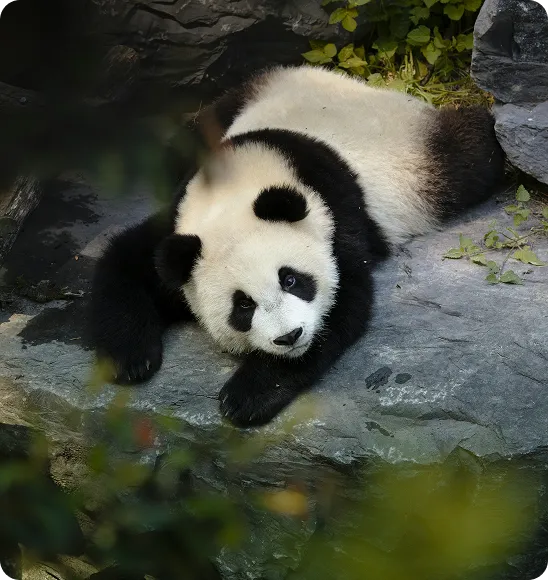
Watch Giant Pandas
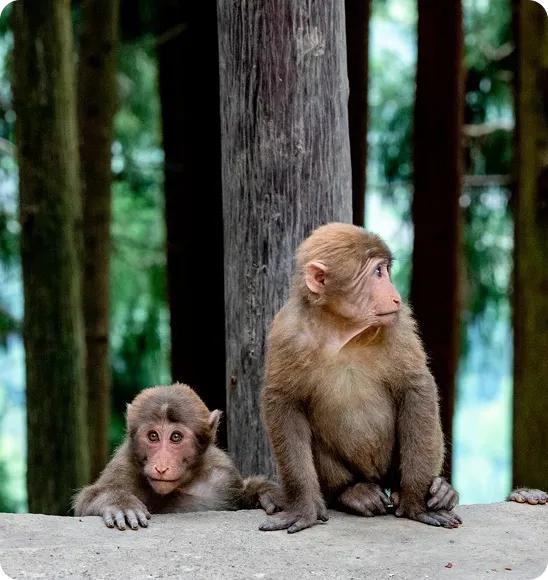
The Wild Spirit Monkey
Watch Golden Monkey
Watch Giant Pandas
The Wild Spirit Monkey
SCENIC AREA
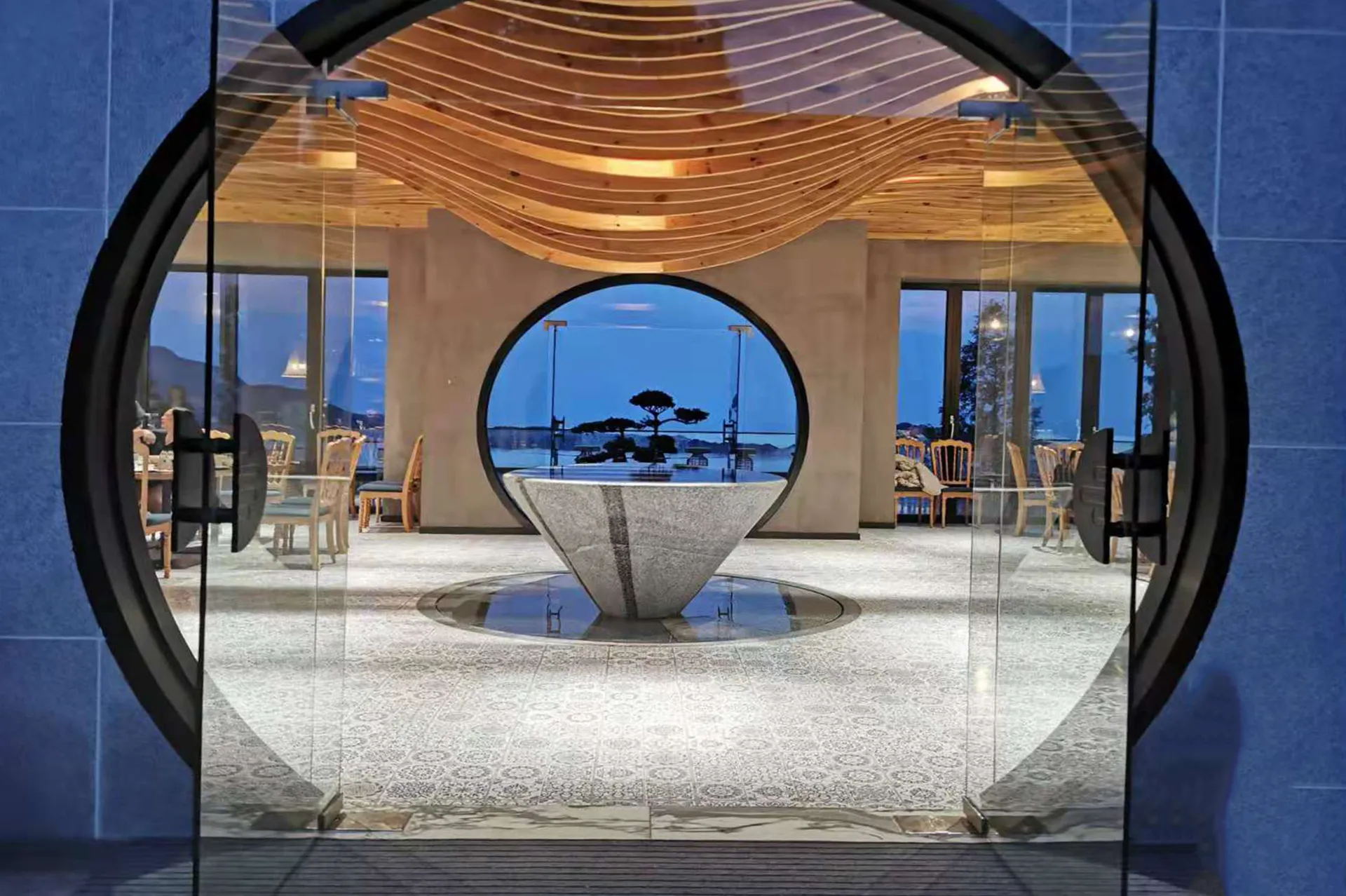
Located in Zhongshan District, offering fast food, noodles, and specialty snacks, with an average cost of around 30 yuan per person. The terrace offers a panoramic view of the Minjiang River Valley.
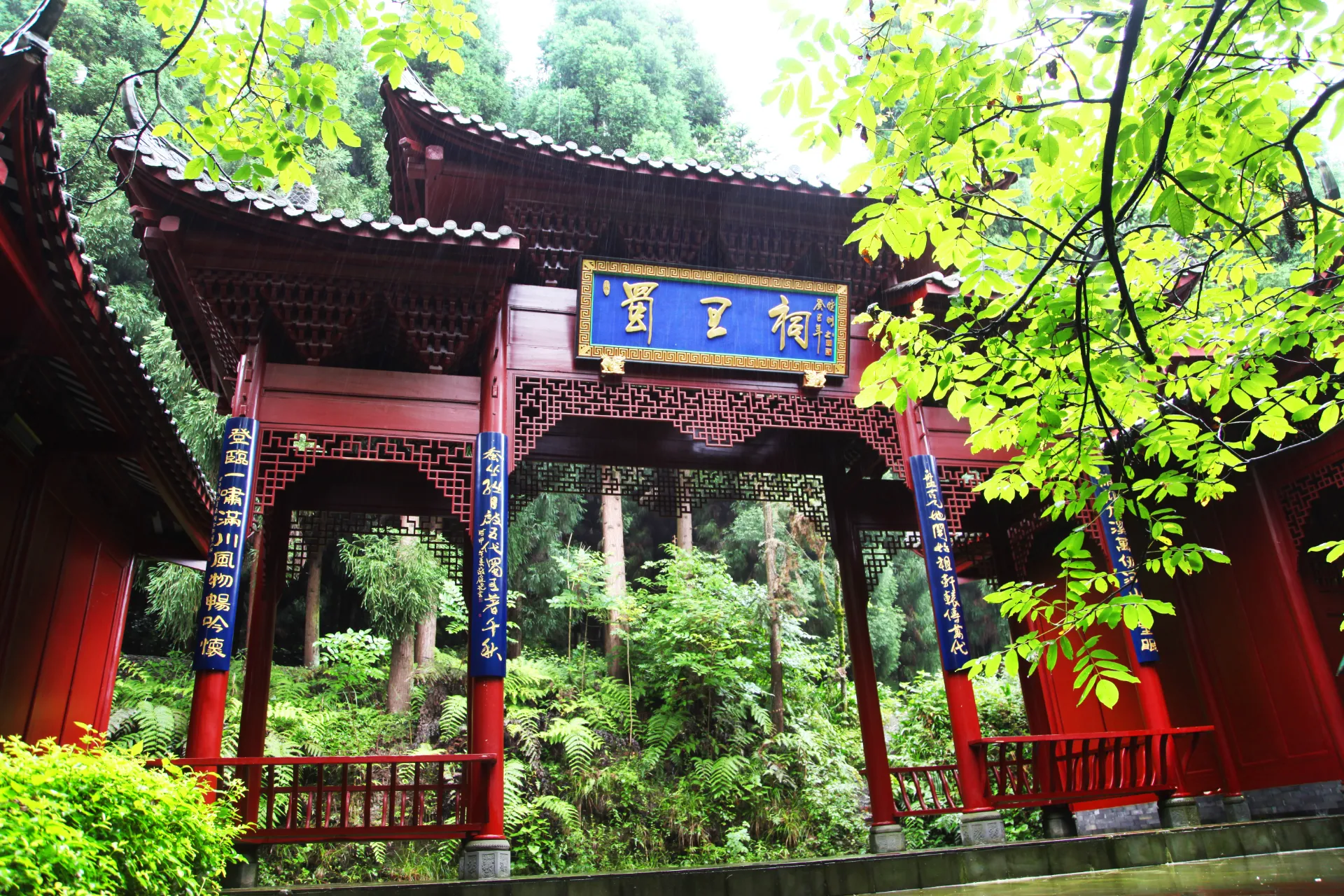
An important ancient Shu cultural relic, it is one of the key passages for the ancient Shu tribe's migration out of the mountains in the Longmen Mountain area. It was the habitat of the second ancient Shu dynasty—the Baiguan Dynasty, and is regarded as a new starting point for tracing the origins of ancient Shu. The temple is divided into left and right halls, with a Baiguan King stele in the center, enshrining items symbolizing the ancient Shu kings. Historian Ren Naiqiang proposed in his work "New Explorations into the Ancient History of Sichuan" that the Shu tribe migrated from the upper reaches of the Min River to the Baishui River area of Pengzhou during the Baiguan King period, utilizing local resources (such as copper mines and jade) to develop their civilization.
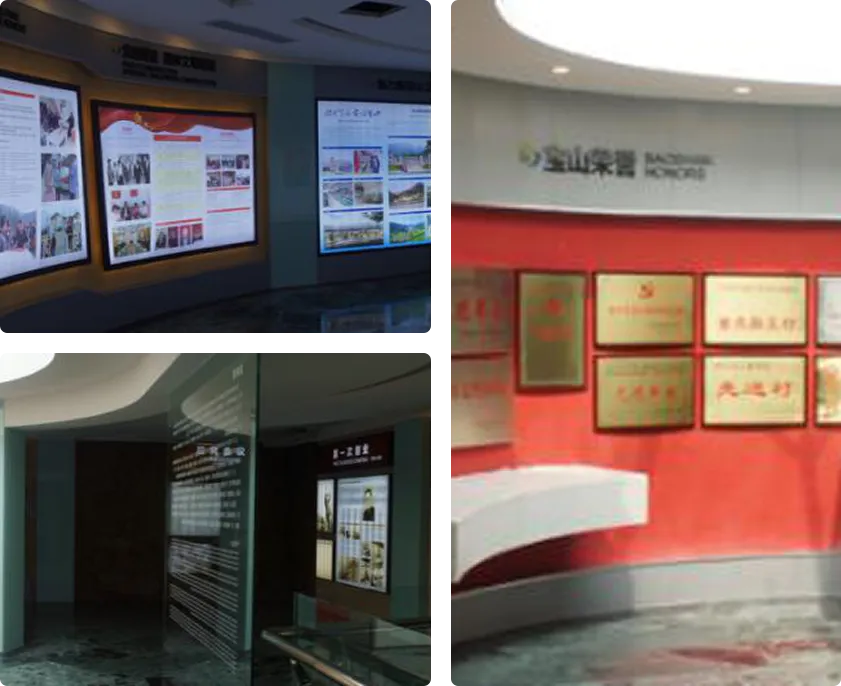
The fifth batch of patriotic education bases in Sichuan Province, a party education base in Chengdu City, showcases the vicissitudes of Baoshan Village from poverty and backwardness to post-disaster rebirth, depicting the arduous journey of the Baoshan people under the leadership of the village's two committees and one team, adhering to 'one blueprint drawn to the end,' persisting in developing the collective economy for more than forty years, and walking the path of common prosperity. It is a window for publicizing and displaying the Baoshan model and Baoshan spirit.
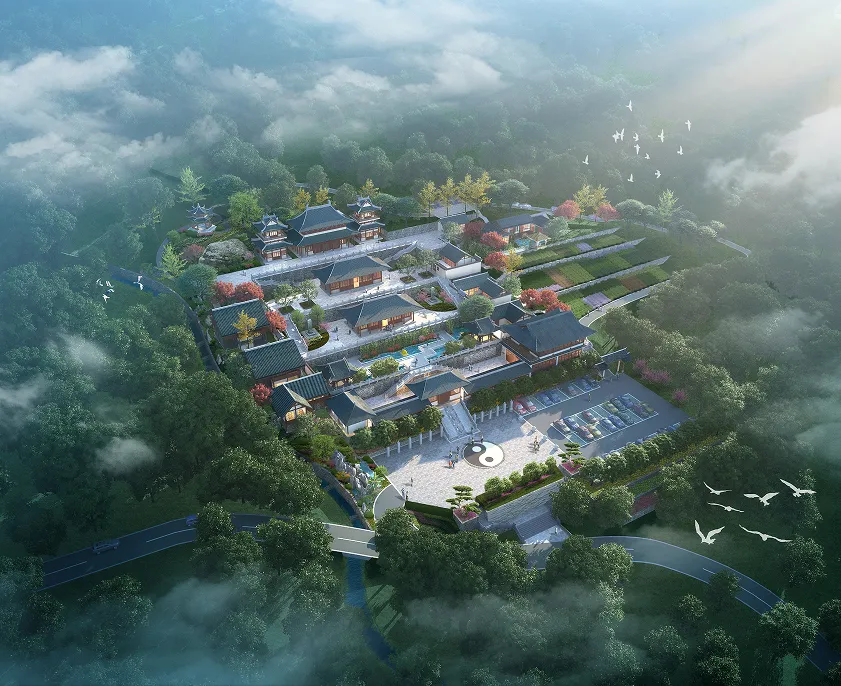
Nestled in the misty mountains, Longmen Temple is a distinctive venue that blends Taoist culture with the heritage of Taoist medicine. Within its grounds, the Taoist living and cultivation area follows traditional regulations, offering a serene and tranquil stay; the Taoist medicine wellness hall centers on traditional Taoist medical techniques, providing health cultivation and conditioning experiences; the Taoist medicine museum displays ancient Taoist medical texts and instruments, tracing the cultural lineage of Taoist medicine. The overall architecture adopts a traditional Chinese ancient style, quiet and peaceful, serving both as a place for health cultivation and relaxation and as a window to experience Taoist medicine culture.
With its abundant facilities and seasonally varied experiences, it can both satisfy the challenge-seeking needs of outdoor sports enthusiasts and provide a relaxed nature exploration trip for families with children. It is recommended to plan your itinerary in advance based on the season and personal interests, so as to fully enjoy the ecological charm of the Longmen Mountain range.


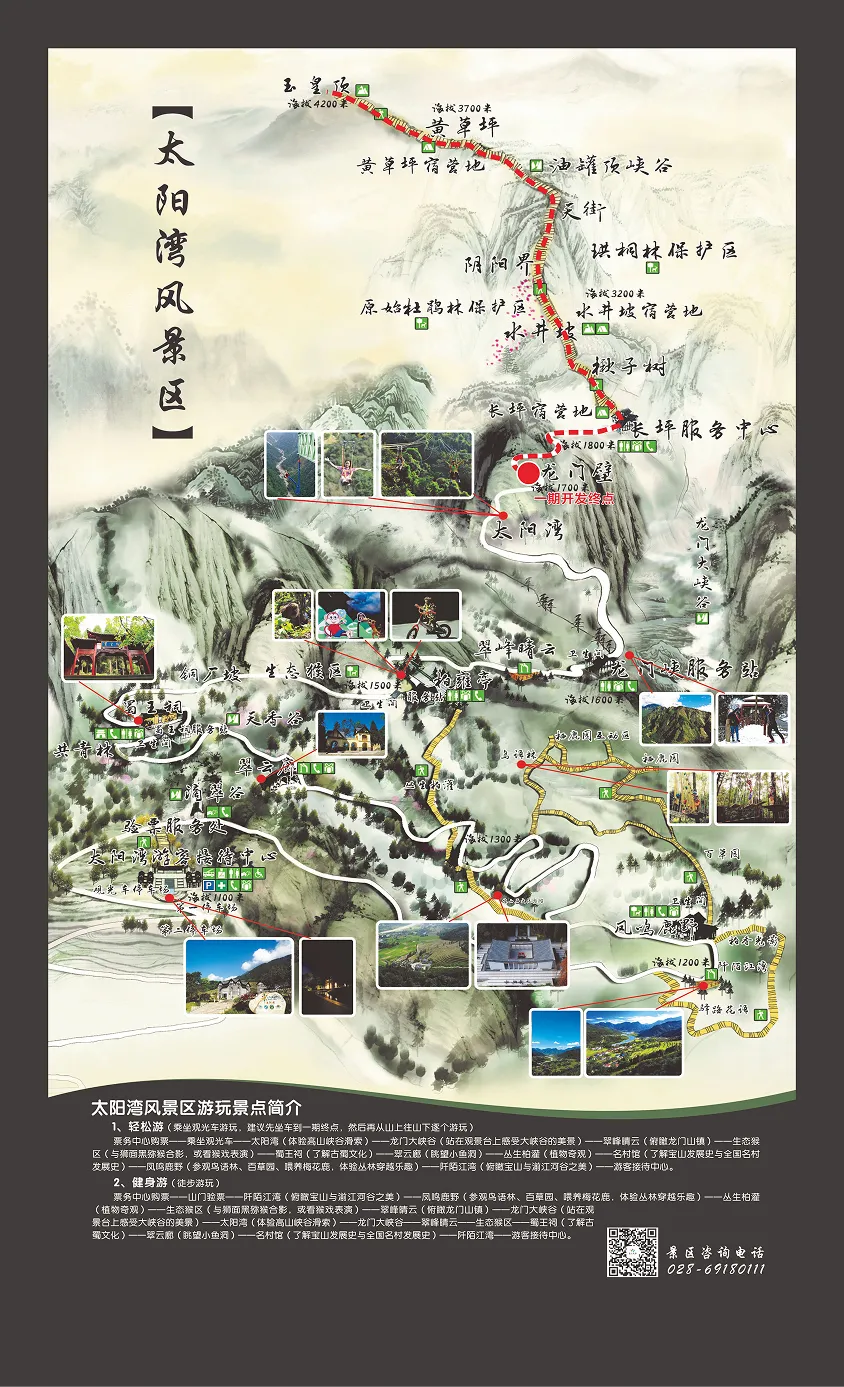
位于景区入口,提供门票兑换、导览图领取、咨询投诉等服务。支持线上购票线下取票,工作人员会协助规划游览路线。
观光车:
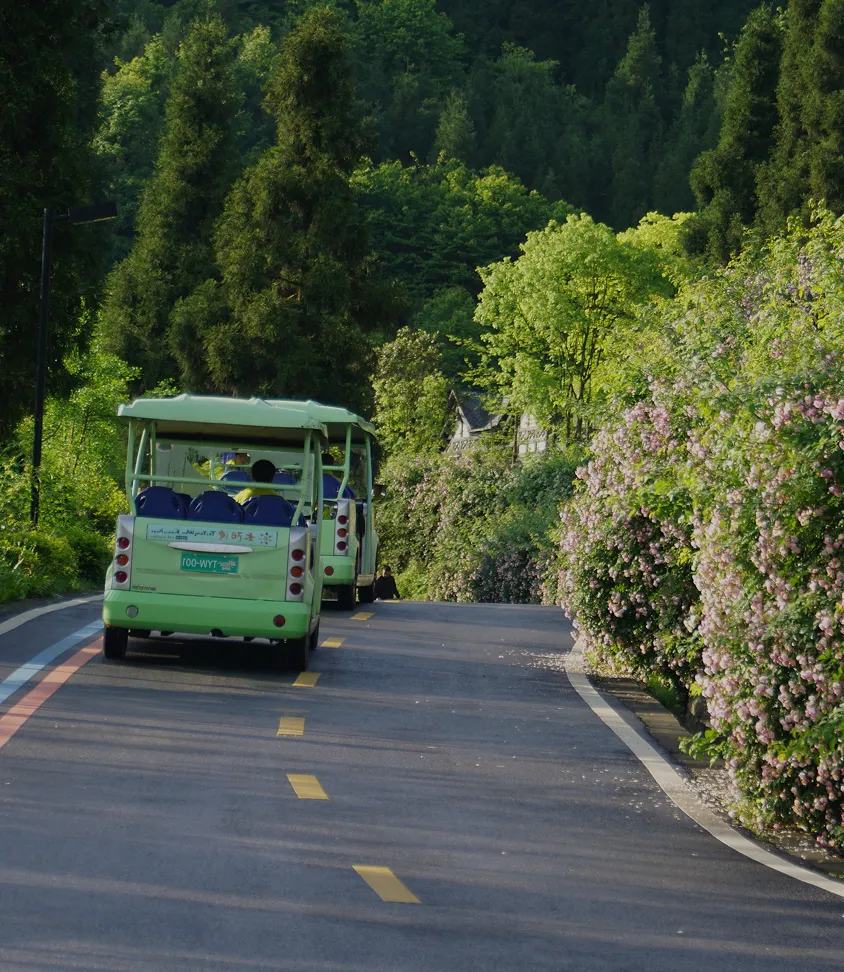
30 元 / 人往返,招手即停,覆盖主要景点(如生态猴区、云上餐厅),末班车 17:00 发车。
缆车:
回龙沟索道连接低山与中山区,单程约 10 分钟,可快速抵达雪场或观景台,往返票 110 元 / 人。
停车场:
景区主停车场约 400 个车位,另有临时停车场(如回龙沟区域)可容纳 350 辆车,收费 10 元 / 天,旺季建议尽早抵达。
云上餐厅:
位于中山区,提供快餐、面食及特色小吃,人均约 30 元,露台可俯瞰湔江河谷。
生态猴区补给点:
售卖泡面、饮料、烤肠等,适合徒步途中简餐。
沿途小卖部:
分布在步行道沿线,供应水、零食及登山杖租赁。
低山休闲线:
从游客中心至生态猴区,约 2 公里平路,适合亲子家庭,沿途可观赏珙桐、连香树等珍稀植物。
中山探险线:
经丛生柏灌至龙门大峡谷,全程约 5 公里,含木栈道、石阶及悬空观景台,海拔落差约 800 米,可远眺雪山群峰。
生态猴区:
每日 9:00、16:00 左右有猕猴集中觅食,可近距离观察但需避免投喂。中国名村收藏馆:展示全国名村历史和文化。
SCENIC AREA


-
Phone: 028-69180222

-
Email: 12345678@qq.com

-

Address: Baoshan Village, Longmenshan Town, Pengzhou City, Chengdu City, Sichuan Province






Address: Baoshan Village Group 1, Longmenshan Town, Pengzhou City, Sichuan Province
Copyright © 2025 Baoshan Group. All rights reserved.
Record Number: Shu ICP Bei 2026018306 Hao - 1